In a film industry obsessed with chiseled jaws and metrosexual looks, one actor defied the mold. Born and raised in a cramped Mumbai chawl, he was repeatedly told he didn’t “look like a hero.” Directors passed on him. Casting assistants wrinkled their noses. Yet, today, he stands tall—sharing screen space with Ranveer Singh, earning respect, and redefining what a leading man can be.
This isn’t a fairy tale. It’s the story of Pankaj Tripathi, the actor whose journey from the lanes of Belsand, Bihar, to the heart of Bollywood is a masterclass in persistence, authenticity, and quiet brilliance.
Humble Beginnings: Life in the Chawl
Pankaj Tripathi wasn’t born with silver spoons or industry connections. He grew up in a modest chawl in Patna, where privacy was a luxury and dreams often drowned in daily survival. The shared bathrooms, the echoing shouts from neighboring families, the scent of mustard oil and cumin—these weren’t cinematic backdrops. They were real.
His father worked as a bangle seller, and resources were scarce. Yet, Pankaj found escape in theater. School plays. Local competitions. Anything that let him step into another life. He wasn’t the “hero” type—short, wiry, with a quiet voice. But he had something rarer: presence.
“I was never the ‘hero’ they wanted. I looked too real. Too ordinary. But that’s where my strength lay.”
That rawness followed him to Delhi, where he enrolled at the prestigious National School of Drama (NSD). It was there that his craft began to sharpen. But even after graduating, the doors of mainstream cinema stayed shut.
Rejection: “You Don’t Look Like a Hero”
When Pankaj arrived in Mumbai, he carried his NSD diploma like a shield. But the industry wasn’t impressed. Casting directors took one look and said variations of the same thing: “You’re not hero material.”
In Bollywood, the leading man has long been defined by specific traits—tall, fair, muscular, stylish. Pankaj didn’t fit. He wasn’t aggressive. He didn’t dominate the frame with swagger. Instead, he listened. He observed. He built characters from within.
His early years? Struggle. He lived in a single-room tenement in Andheri, surviving on tea and biscuits. He took up odd jobs—voiceovers, regional ads, bit roles in forgettable films. At one point, he considered quitting and returning home.
“I auditioned for so many roles where I knew I was better than the guy who got it. But I didn’t look the part. That hurt. But I refused to change who I was.”
The Turning Point: Small Roles, Big Impact
Pankaj’s breakthrough wasn’t a single film. It was a slow accumulation of moments where he stole scenes without ever trying to.
In Gangs of Wasseypur (2012), he played the unhinged, terrifying Sultan. He wasn’t the lead. But audiences remembered him. His stillness. His unpredictability. His ability to make fear feel intimate.
Then came Masaan (2015). As a grieving father, Pankaj delivered a performance so understated it ached. The film won accolades at Cannes. He won hearts.
These weren’t hero roles. They were human roles. And that’s where he thrived.
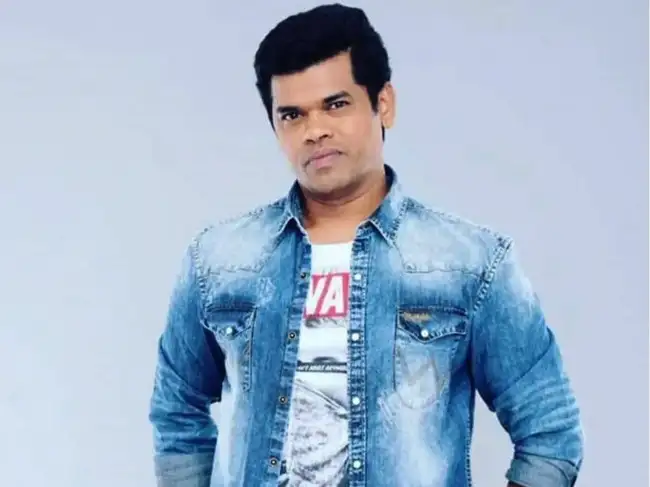
His work with Ranveer Singh in Gully Boy (2019) was another landmark. As Ranveer’s strict but loving father, he brought depth to a character that could’ve been a cliché. The scene where he silently hands over his life savings to fund his son’s music? No dialogue. No drama. Just truth.
That was the moment mainstream audiences truly saw him—not as a side character, but as a force.
Defying the Hero Stereotype in Bollywood
Pankaj’s success challenges the very definition of a “hero” in Indian cinema.
For decades, Bollywood has sold fantasy: the rich, invincible man who dances on mountains and defeats armies with one punch. Pankaj represents the anti-hero—not in the criminal sense, but in the authentic one. He is flawed, vulnerable, real.
His rise signals a cultural shift:
- Audiences are tired of caricatures.
- Streaming platforms are demanding layered storytelling.
- Young filmmakers want actors who act, not just pose.
Pankaj didn’t wait for the industry to change. He became the change.
Compare his trajectory to the typical “hero” launch:
| Trait | Traditional Hero | Pankaj Tripathi |
|---|---|---|
| Background | Star kids or models | Small-town, middle-class |
| Debut | Grand, solo lead | Small, supporting roles |
| Look | Chiseled, fair, tall | Average height, dusky, intense eyes |
| Success Path | Immediate fame | Slow, earned respect |
| Audience Connect | Fan following | Emotional resonance |
He didn’t need a fan army. He needed one honest performance to open ten doors.
Breaking Typecast: From Villain to Everyman
Early in his career, Pankaj was often typecast as the villain or comic relief. His sharp diction and piercing eyes made him perfect for psychopaths. But he refused to be boxed.
He actively sought roles that defied expectation:
- Bareilly Ki Barfi (2017): As a supportive, slightly bumbling father, he brought warmth and humor.
- Newton (2017): His restrained performance as an election officer in a conflict zone earned him a National Award nomination.
- Ludo (2020): In Anurag Basu’s anthology, he played a gangster with dark humor and pathos—no mustache-twirling, just quiet menace.
Each role peeled back another layer. He wasn’t just an actor. He was a mirror.
Directors who once rejected him now fight to cast him. And when Ranveer Singh—himself a non-traditional hero—shared scenes with him, it was like two rebels acknowledging each other’s journey.
Why His Story Resonates Beyond Bollywood
Pankaj Tripathi’s journey isn’t just about films. It’s about identity, resilience, and redefining success.
In a country where appearance still dictates opportunity—whether in jobs, relationships, or social mobility—his rise is revolutionary.
Consider these real-world parallels:
- A software engineer from a tier-3 college building an app that outperforms IIT grads.
- A woman from a conservative town becoming a top lawyer despite early rejections.
- A differently-abled artist gaining global recognition.
Pankaj’s story teaches three enduring lessons:
- Authenticity beats polish. You don’t need to look the part. You need to be the part.
- Small roles build big legacies. Excellence in the shadows prepares you for the spotlight.
- Rejection is redirection. Every “no” filtered out paths that weren’t meant for you.
He didn’t change to fit the industry. The industry changed to make space for him.
The New Wave of Indian Acting
Pankaj is part of a broader movement—actors who are redefining excellence in Indian cinema.
This new wave includes:
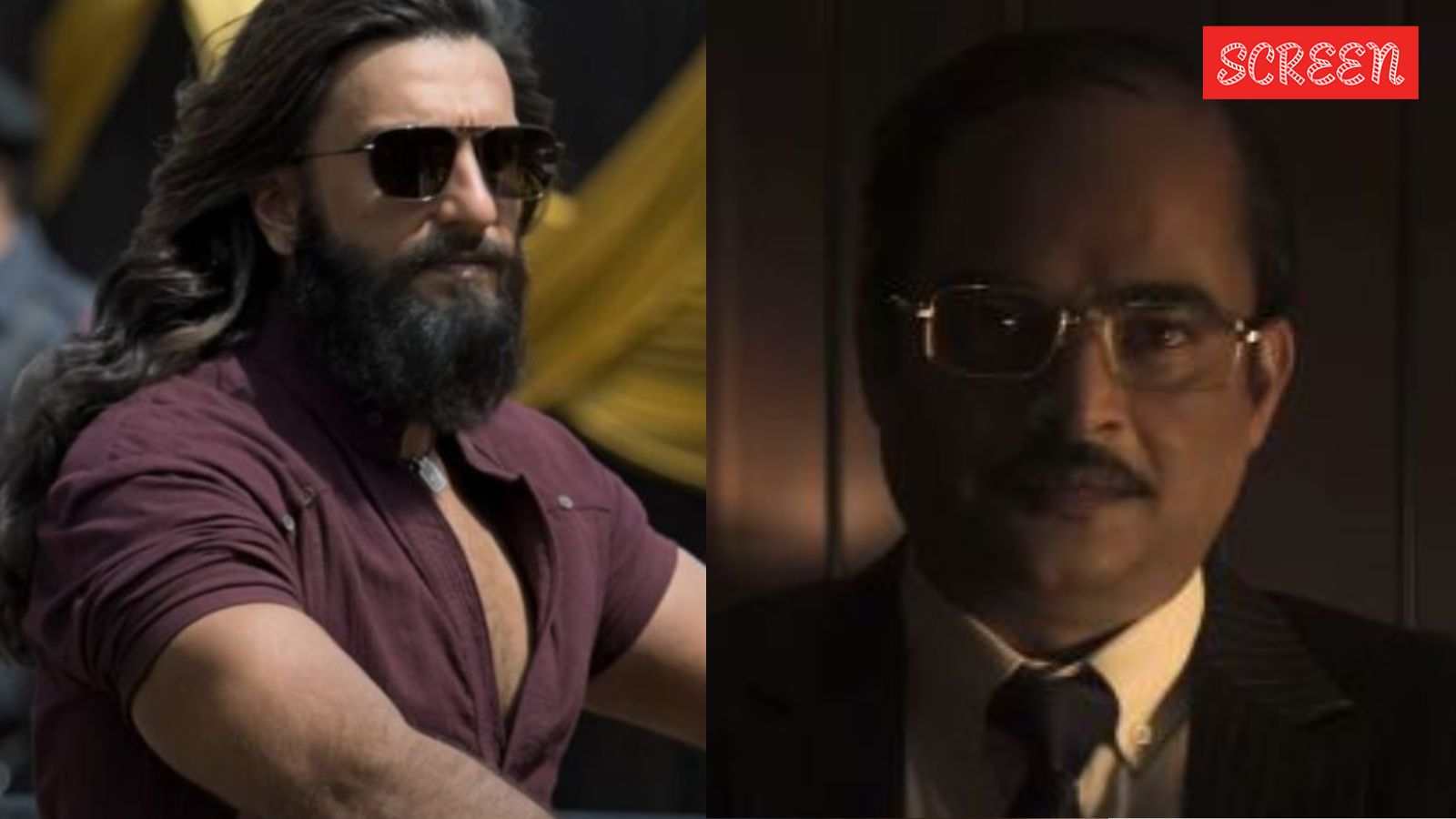
- Nawazuddin Siddiqui: From lab assistant to international acclaim.
- Vicky Kaushal: Rejected for being “too thin,” now a leading man.
- Fatima Sana Shaikh: Initially told she wasn’t “heroine material,” now a powerhouse.
- Bhumi Pednekar: Debuted at 27, challenged beauty norms.
- Saiyami Kher: Waited years for a role that let her shine.
These actors share a common thread: they were all told “no” for reasons beyond talent. And they all proved that depth matters more than dazzle.
Pankaj’s presence in Gully Boy wasn’t just a casting choice. It was a statement. When Ranveer’s character dreams of making it big, Pankaj’s character embodies the cost of dreams—the silence, the sacrifice, the unspoken love of a father who never got his shot.
That duality—Ranveer as the new-gen rebel, Pankaj as the suppressed dreamer—mirrored real life. Two actors, both outsiders, both winning.
The Legacy of a Reluctant Star
Today, Pankaj Tripathi is not just popular—he’s revered.
He leads web series like Mirzapur, where his performance as Kaleen Bhaiya blends menace with philosophy. He headlines films. He’s a producer. And yet, he remains grounded.
He doesn’t do red carpets for the sake of it. He doesn’t chase fame. He chooses scripts that challenge him. When asked about his success, he says:
“I never wanted to be a star. I just wanted to be an actor. The rest followed.”
That humility is his superpower.
For every young actor in a chawl dreaming of the big screen, Pankaj’s story is proof: you don’t need to look like a hero to become one.
Practical Takeaways for Aspiring Performers:
- Focus on craft, not image. Audiences forget looks. They remember truth.
- Use rejection as fuel. Every “no” is data—what to avoid, what to improve.
- Start small, but start. Even a 10-second role can be a masterpiece.
- Say no to roles that demean you. Respect your craft.
- Collaborate with indie filmmakers. They take risks on real talent.
The next time you watch a film and find yourself moved by a “small” character, ask: Who is this actor? Where did they come from? Because the most powerful performances often come from those who had everything stacked against them—and still showed up.
Pankaj Tripathi didn’t just rise. He redefined what rising means.
FAQ
Who is Ranveer Singh’s co-star from a chawl background? Pankaj Tripathi, known for Gully Boy and Mirzapur, was born in Bihar and raised in modest conditions before rising to fame.
Why was Pankaj Tripathi rejected by directors early in his career? He was told he didn’t “look like a hero”—too short, not conventionally handsome—common barriers in traditional Bollywood casting.
What was Pankaj Tripathi’s breakout role? His role as Sultan in Gangs of Wasseypur (2012) brought him widespread recognition for his intense performance.
How did Pankaj Tripathi succeed despite early struggles? Through persistence, NSD training, and a commitment to authentic performances in independent and mainstream films.
Which awards has Pankaj Tripathi won? He has won Filmfare Awards, a National Award (Special Jury), and international acclaim for films like Newton and Masaan.
What is Pankaj Tripathi’s most popular role? Kaleen Bhaiya in the Amazon Prime series Mirzapur is one of his most iconic and widely recognized roles.
How did Pankaj Tripathi’s role in Gully Boy impact his career? It introduced him to a global audience and cemented his status as a leading character actor in mainstream cinema.
FAQ
What should you look for in From Chawl to Stardom: Ranveer Singh’s Co-Star’s Rise? Focus on relevance, practical value, and how well the solution matches real user intent.
Is From Chawl to Stardom: Ranveer Singh’s Co-Star’s Rise suitable for beginners? That depends on the workflow, but a clear step-by-step approach usually makes it easier to start.
How do you compare options around From Chawl to Stardom: Ranveer Singh’s Co-Star’s Rise? Compare features, trust signals, limitations, pricing, and ease of implementation.
What mistakes should you avoid? Avoid generic choices, weak validation, and decisions based only on marketing claims.
What is the next best step? Shortlist the most relevant options, validate them quickly, and refine from real-world results.